Senator George Norris State Historic Site

Senator George Norris Site
Information
Hours
Thursday – Saturday: 1:00PM – 5:00PM CT or By Appointment
No public restrooms are available. Please no food or drink when visiting.
Admission
Address
McCook, NE 69001-3142
Field Trips
Hours: Upon Request
Group Size: 1-20 students
How to Book:
- Call, email, or book online
- Deadline to register: At least one week’s notice is appreciated
Dimly lit room with two single beds, a small wooden table and chairs, a radio on the table, rugs on the floor, and sheer curtains covering the windows.
A neatly made bed with a white coverlet in a dimly lit room, flanked by windows, a radiator, and a wooden bench draped with a patterned quilt.
A bronze statue of a man in a suit sits on a bench next to a hat and streetlamp, in front of a white house with a porch.
A vintage-style living room with a patterned rug, ornate sofa with cushions, side table, floor lamp, and a round table displaying a signboard near lace-curtained windows.
Senator George Norris Historic Site in McCook, Nebraska.
A two-story light gray house with white trim, an arched front door, and an American flag at half-staff in the front yard.
A dining room with a table set for four, featuring floral china, a lace tablecloth, and wooden chairs; a sideboard and mirror are against the wall.
A sign reads: "Senator George Norris State Historic Site. For hours and information call 308.345.8484. History Nebraska, history.nebraska.gov.
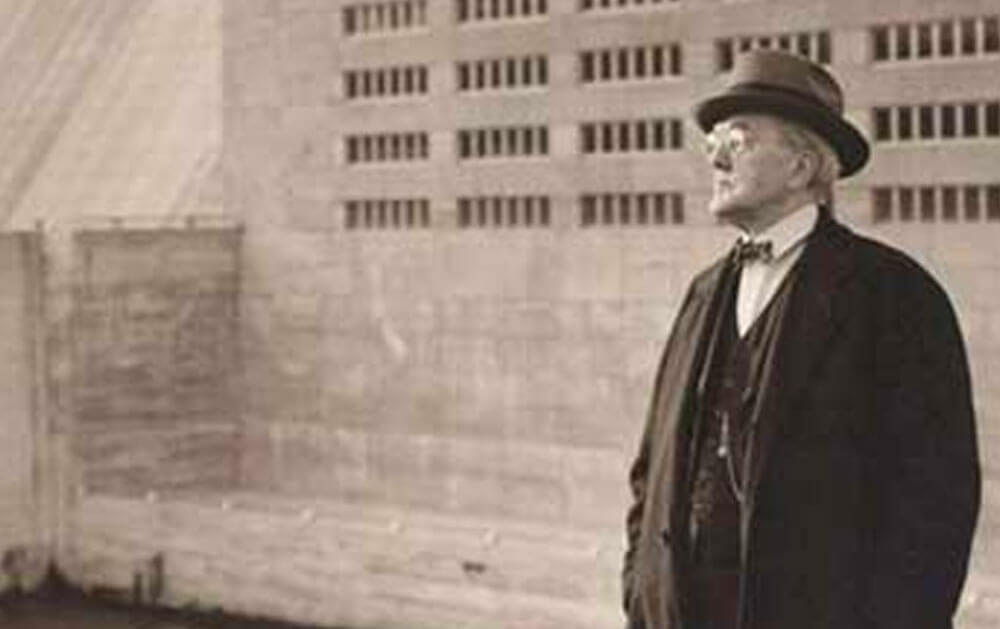
George Norris changed rural life by working in a big city—Washington, D.C. As a U.S. Senator, he fathered the Rural Electrification Act that brought electric power to farms across the nation. He changed Nebraska’s government by convincing citizens a one-house Unicameral legislature would serve them best. Norris spent over forty years in the U.S. Congress, fighting to make life better for the common people. This humble house in McCook served as his home base from 1902 to 1944. The house and all its furnishings were donated to the Nebraska State Historical Society by Norris’s wife, Ellie, in 1968. The house was declared a National Historic Landmark in 1967.
Norris represented Nebraska in Congress for over forty years. And he changed not just Nebraska, but the entire U.S. Norris believed that everyone should have access to electricity and sponsored the Rural Electrification Act. Some thought his controversial support for public power was socialistic or un-American. The REA ran into some resistance, but passed and brought new light and new life to farms across the country
A Republican, Norris ignored party lines to align his votes with his beliefs. Norris felt the two-party system was outdated and unnecessary. He set off around Nebraska campaigning for a non-partisan, one-house state legislature. In 1934 Nebraskans voted to create the nation’s only unicameral legislature. It first convened in 1937.
Norris’s big ideas originated in a little house in McCook. After his very long career in government he returned to his home base until his death in 1944.
Life as a Public Servant
Bring this story of a life-long public servant to your school. The Nebraska State Historical Society is now offering a Distance Learning Program that will take students into George Norris’s home* to see even more artifacts and photos and investigate these public servant questions. Contact our Education Team at HN.MuseumEducation@nebraska.gov for more information.
Help Shape History

Become a Member
Being a member is the easiest way to be involved in our mission to preserve and share our state's rich history. Find out how!
Volunteer
Volunteers work with NSHS staff members to support our mission
Start Your Career
Interested in joining the NSHS team? Keep an eye on job listings!